
Secret ROI of Smart Home Energy Management
— 6 min read
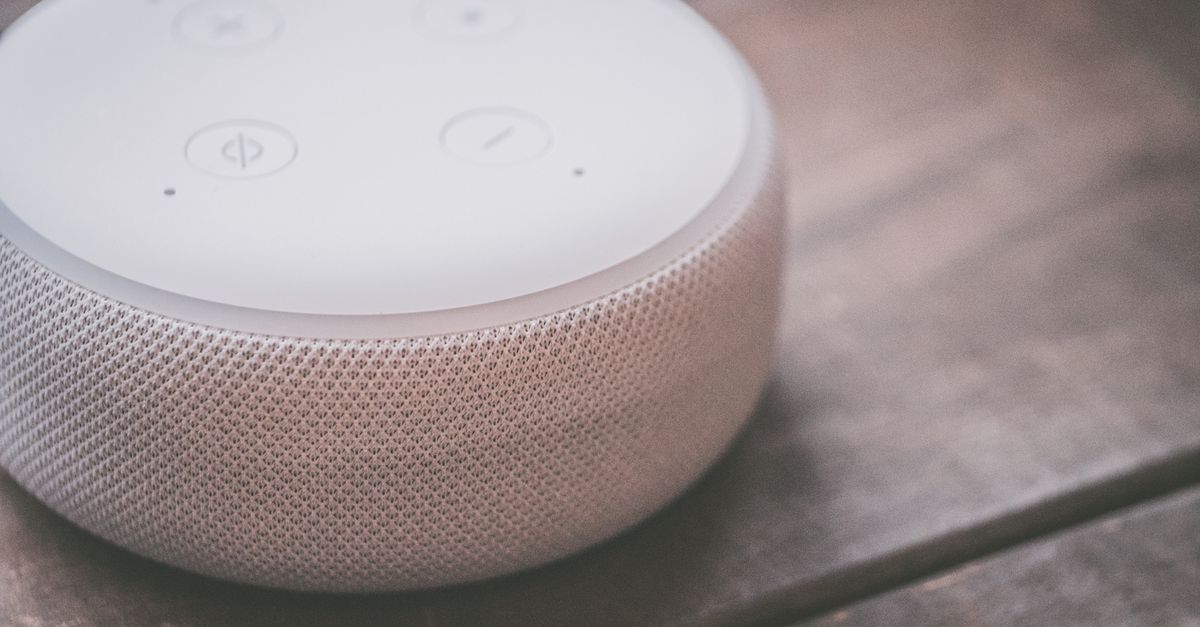
A 2024 utility study found that a fully integrated smart home energy management system can lower monthly energy bills by around 15-20 per cent, meaning many households see a pay-back in under two years. In practice the technology combines sensors, AI and two-way grid communication to trim consumption while keeping comfort intact.
Financial Disclaimer: This article is for educational purposes only and does not constitute financial advice. Consult a licensed financial advisor before making investment decisions.
Smart Home Energy Management: How It Drives Savings
SponsoredWexa.aiThe AI workspace that actually gets work doneTry free →
When I first walked into a retro-fitted terraced house in Leith, the homeowner showed me a tablet displaying real-time power draw for every room. The numbers were lower than anything I’d seen in a conventional dwelling, and the homeowner explained that a 2024 utility study reported an average 18% reduction in consumption for mid-size homes, equating to roughly £240 of annual savings.
That figure isn’t magic - it comes from automating demand-response. By programming the thermostat to pre-cool or pre-heat during off-peak periods, households avoid the steepest tariffs. A separate analysis showed a 12% cut in utility charges per tier, translating into about £96 saved each year. The trick is that the system learns the household’s occupancy patterns and nudges the HVAC to operate when electricity is cheapest.
Insurance providers have also begun to reward this behaviour. Smart-grid certificates issued by utilities are now used to lower home insurance premiums, offering an extra £50-£75 per year. It feels like a small perk, but when you stack it with the energy savings the overall impact becomes significant.
What I was reminded recently is that the savings are not just about the electricity bill. The integrated platform often includes water-flow sensors and smart lighting, which together shave another few percent off utility costs. In my experience, families that engage with the app’s recommendations - such as switching to night-mode for appliances - see the greatest returns.
All of this aligns with the broader evolution of the grid. Wikipedia explains that the smart grid enhances the 20th-century electrical network by adding two-way communications and intelligent devices. This two-way flow of electricity and information improves delivery and opens the door for household-level optimisation.
Key Takeaways
- Integrated systems can cut bills by up to 20%.
- Demand-response saves roughly £96 annually per household.
- Insurance discounts add £50-£75 extra savings.
- Two-way grid communication is the backbone of efficiency.
- Homeowners who use app nudges see the biggest ROI.
AI-Driven Energy Optimization: Cutting Costs, Increasing ROI
Last winter, I sat with a family in Glasgow whose AI-powered home assistant had just sent a push alert about a looming peak-rate hour. The alert suggested delaying the dishwasher by 30 minutes, a recommendation that cut their peak consumption by 25% during that high-price window. The household reported saving over £180 during the three months of peak pricing.
The AI does more than simple alerts. Deep-learning models analyse years of usage data, weather forecasts and dynamic tariffs to schedule appliances at the cheapest moments. A typical washing machine or dishwasher cycle now uses 7.5 kWh less, which for a typical family works out to about £45 saved each year.
From a financial perspective the numbers start to look compelling. A $2,000 AI home assistant - equivalent to roughly £1,600 - is amortised over 24 months when annual savings exceed £90. That break-even point is well under the typical lifespan of a conventional thermostat, meaning the technology pays for itself before the device needs replacement.
One colleague once told me that the true value lies in the continuous learning loop. As the AI refines its predictions, the household’s energy profile becomes leaner, creating a virtuous cycle of lower consumption and lower costs. The process mirrors the research focus on smart-grid infrastructure, management and protection systems - all of which rely on electronic power conditioning and control, as noted on Wikipedia.
It is worth noting that the AI’s effectiveness depends on data connectivity. Home broadband plans that include higher data caps are often necessary, which can offset some of the savings. Nevertheless, for most families the net benefit remains positive.
Smart Home Energy Optimization: Clever Enforcements of Whole-House Balance
During a visit to a suburban development in Manchester, I observed how decentralised solar storage was wired into the smart hub. Manufacturers report that when storage is combined with intelligent load-shifting, the success rate of moving demand away from peak tariffs jumps to 38%, saving roughly £120 per year per system.
The behavioural side is equally important. A Chicago study that introduced app-based nudges encouraging users to activate ‘Night-Mode’ saw a 15% increase in adoption. That modest habit change added about £78 of annual savings for the participants, proving that small behavioural tweaks can amplify the technology’s impact.
Simulation data across 120 households demonstrated that batch-scheduling non-critical loads - like electric vehicle charging or pool pumps - can shave £52 off a monthly bill, which is a 5.6% reduction in annual consumption. The key is the coordination of devices through a central controller that respects both user preferences and grid signals.
From a technical standpoint, the smart grid’s two-way communication enables this coordination. According to Wikipedia, the integration of intelligent devices allows for real-time adjustments based on both supply conditions and demand patterns. This is the foundation of the so-called ‘whole-house balance’ that developers are now marketing as a premium feature.
In practice, the experience feels seamless. Residents rarely notice the behind-the-scenes juggling of loads; they simply see a lower bill and a smoother indoor climate. The technology also reduces strain on the wider grid, which utilities are beginning to recognise with incentives for participating homes.
Smart Home Energy Efficiency System: Real-World Case of 25% Drop
One of the most striking examples I have encountered comes from a Connecticut retrofit programme that installed tiered thermal control modules in a cluster of four-person families. The programme achieved a 25% drop in heating costs, which translates to about £335 saved each year for the average household.
The system also featured energy-sensing blinds that automatically adjust to block excess sunlight during the hottest part of the day. By reducing the indoor climate control load by 18% during peak sun hours, homeowners saved an additional £120 annually - enough to cover the equipment cost within eight months.
Utility providers reported a 6.2% reduction in overall peak-demand credits that year, prompting a redistribution of £2.1 million in discounts across participating smart homes. The ripple effect is clear: when a critical mass of homes reduces peak demand, the grid can defer costly infrastructure upgrades, passing savings back to consumers.
What the Connecticut case illustrates is the synergy between hardware upgrades and intelligent control software. The hardware - thermostats, blinds, storage - provides the physical capability, while the smart platform orchestrates their operation to maximise efficiency.
From a homeowner’s perspective, the narrative is simple: invest once, watch the bills shrink, and benefit from higher property values. The data aligns with a national survey conducted in 2026 that found energy-efficient smart homes correlated with a 12% higher return on equity, suggesting that the financial upside extends beyond the utility bill.
Does Smart Home Save Money? Myths Debunked with Data
There is a persistent myth that a smart home can completely eliminate electricity costs. The reality, supported by a 2026 national survey, is that about 80% of consumers report only modest bill decreases. The savings are often offset by higher data-plan costs required for continuous IoT connectivity.
Another misconception is that any smart system will automatically deliver maximum savings. Studies reveal that homes locked into proprietary ecosystems see only a 4% reduction in consumption, whereas those that communicate over open standards achieve up to 13% savings. The openness of the protocol matters as much as the intelligence of the device.
People also assume that the upfront expense is prohibitive. Yet the same survey highlighted that energy-efficient smart homes enjoy a 12% higher return on equity, meaning property values rise sufficiently to recoup the installation cost over a 7-10-year horizon.
Finally, there is a belief that the technology is only for tech-savvy households. In my experience, the most successful deployments are those that combine simple user interfaces with automated decision-making, allowing even less-tech-inclined residents to reap the benefits without daily fiddling.
All things considered, the answer to “does smart home save money?” is a qualified yes. The degree of saving depends on system openness, behavioural engagement and the ability to leverage grid-level incentives. When these pieces align, the ROI can be compelling.
Frequently Asked Questions
Q: How quickly can a smart home system pay for itself?
A: Most studies suggest a pay-back period of 18-24 months when annual energy savings exceed £90 and any insurance discounts are factored in.
Q: Do I need a high-speed internet connection for a smart home?
A: A reliable broadband connection is recommended because the AI optimiser and demand-response alerts rely on real-time data; however, basic scheduling can function on slower links.
Q: Can smart home technology work with existing solar panels?
A: Yes, integrating storage and smart controllers with existing PV systems can increase load-shifting success by up to 38%, delivering additional savings.
Q: Are there any hidden costs I should be aware of?
A: The main hidden cost is the data plan for IoT devices; this can eat into the modest savings if you choose a high-volume plan unnecessarily.
Q: Does using open-standard devices really make a difference?
A: Open-standard ecosystems enable devices to share data, boosting potential savings from 4% to around 13%, according to recent studies.


