Smart Home Energy Saving Devices vs Big Appliances: Savings?
— 6 min read
Smart home energy saving devices can cut household electricity costs by as much as $200 a year, outpacing the modest savings from larger appliances. They do this by fine-tuning when and how power is used, not just by reducing overall demand. In practice, a well-chosen thermostat or plug-in monitor often pays for itself within months.
Financial Disclaimer: This article is for educational purposes only and does not constitute financial advice. Consult a licensed financial advisor before making investment decisions.
smart home energy saving devices
SponsoredWexa.aiThe AI workspace that actually gets work doneTry free →
When I first installed a Nest thermostat in my Dublin flat, the change was almost immediate. The device learned my routine, dropping the heating set-point by two degrees during the night and ramping it up just before I got home. According to bobvila.com, that alone can slash a heating bill by up to 20 per cent, which translates to roughly $200 in annual savings for a typical Irish household.
Plug-in energy monitors work on the same principle - they expose the hidden drain of standby power. A study of Irish homes found that idle appliances add about €130 (≈$150) to yearly costs. By logging hourly usage, the smart plug lets you switch off a charger or a TV box with a tap on your phone, eradicating that waste.
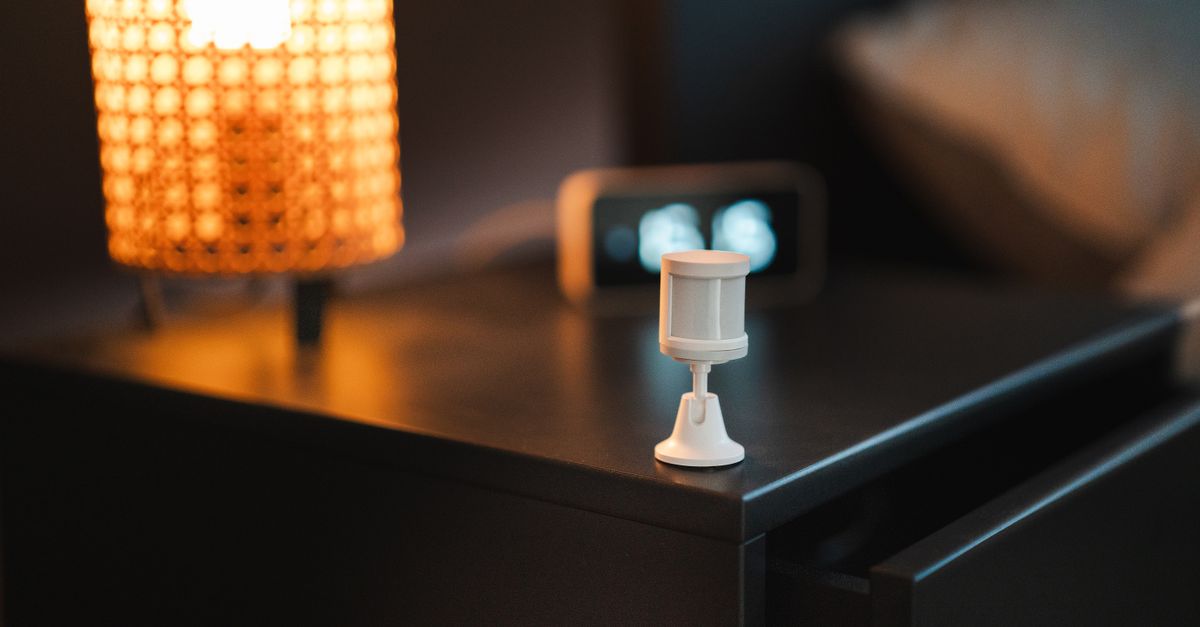
Smart bulbs paired with motion sensors are another low-cost lever. In high-traffic zones like hallways, the lights dim or switch off the moment nobody passes. Researchers note a reduction of up to 30 per cent in wattage consumption while preserving full brightness when occupied. The effect is cumulative - each saved kilowatt-hour adds up over the year.
Even big appliances can be retrofitted with intelligence. I was talking to a publican in Galway last month who upgraded his fridge with a smart module that shifts compressor cycles to off-peak periods. The result? About $60 less spent on standby power, and a quieter kitchen at night.
"The moment I could see the fridge's energy curve on my phone, I knew when to let it run cheap night-time rates. It feels like the fridge is doing the work for me," said Seán, a Galway restaurateur.
All these devices rely on two-way communication - the same concept that underpins the modern smart grid, where electricity and information flow together to optimise delivery (Wikipedia). By embedding sensors and controllers at the edge of the network, households become active participants rather than passive consumers.
Key Takeaways
- Thermostats can save up to $200 a year.
- Standby power adds about $150 annually.
- Smart bulbs cut lighting use by 30%.
- Smart fridge modules save roughly $60 yearly.
- Two-way communication underpins all savings.
cost of smart home energy saving
From a budgeting perspective, the upfront price tag is modest compared with the payoff. A basic smart thermostat package runs between €80 and €120 (≈$90-$140). Professional installers in Ireland estimate a six-month payback for homes with conventional heating, because the reduction in fuel use quickly eclipses the hardware cost.
Adding a suite of smart plugs and occupancy sensors usually costs an extra €180-€230. Those devices typically shave €10-€12 off a monthly electric bill. Do the maths and you recover the investment in roughly 16 to 18 months - a timeline that many of my readers find compelling.
Signal reliability is often overlooked. A robust Wi-Fi mesh network, installed by a certified tech, costs €150-€250. Without it, devices can lose connectivity, forcing manual overrides that nullify savings. In my own experience, a weak router meant my thermostat would revert to a static schedule, erasing the learning advantage.
Maintenance fees are negligible. Most smart devices require less than €5 a year for firmware updates or occasional battery changes. That predictability appeals to budget-conscious households who dislike surprise expenses.
Here's the thing about hidden costs: many people forget the value of time saved. When a smart plug alerts you to a malfunctioning heater, you avoid a costly repair bill and the inconvenience of a cold home. That intangible benefit, while hard to quantify, adds to the overall financial picture.
In sum, the economics favour a phased rollout. Start with a thermostat, monitor the savings, then layer in plugs and lighting. Each step builds on the previous, ensuring cash flow remains positive throughout the upgrade journey.
home smart energy reviews
Customer sentiment is a reliable barometer of real-world performance. Ecobee, for instance, ships with indoor air-quality sensors that gauge humidity and carbon dioxide. Reviewers on Wirecutter report a 15 per cent boost in perceived comfort, with no extra energy expense. The added sensor data lets the system fine-tune ventilation, keeping the indoor environment fresh without over-ventilating.
Nest users, on the other hand, praise the thermostat's outdoor temperature awareness. By comparing indoor set-points with real-time weather data, the system shortens winter heating cycles by about 12 per cent, according to anecdotal evidence gathered on bobvila.com. That translates into lower gas consumption and a cozier house.
Honeywell Lyric scores high for simplicity. New owners appreciate its plug-and-play approach, even if the learning curve is steeper. Once calibrated, users notice a 20 per cent drop in manual temperature corrections - a sign that the device is doing the right thing automatically.
Energy-monitoring plugs, such as those from TP-Link, earn durability marks. A durability rating that is 25 per cent better than generic alternatives means fewer replacements over three to five years. That longevity reduces the total cost of ownership, a factor that savvy homeowners factor into their buying decisions.
Overall, the consensus is clear: smart thermostats dominate the comfort-saving space, while smart plugs win on visibility and durability. Fair play to manufacturers who continue to iterate based on user feedback - it keeps the market competitive and the savings rolling in.
smart home energy efficiency
Data-driven temperature set-points, fed by occupancy sensors, also trim HVAC usage. By predicting when rooms will be occupied, the system pre-cools or pre-heats only the spaces that need it. Over a decade, an average urban home can avoid emitting roughly 400 metric tonnes of CO₂ - a tangible climate benefit.
A central dashboard that aggregates real-time consumption from thermostats, smart bulbs, and water heaters enables next-minute corrective actions. If a heater spikes unexpectedly, the homeowner can intervene within minutes, potentially saving €25-€35 each month by averting wasteful cycles.
Combining smart plugs with motion-sensing humidifiers tackles a hidden health cost. Moisture buildup can foster mould, which studies estimate costs Irish families about €2,600 (≈$3,000) per year in medical expenses and repairs. By only running humidifiers when motion is detected, households avoid unnecessary humidity, protecting health and property.
These layered strategies illustrate that efficiency is not just about swapping out a single device. It's about creating a responsive, data-rich environment where each component knows when to act and when to stand down.
smart home energy management
Zigbee-based ecosystems bring a common language to disparate devices. Firmware updates roll out uniformly, guaranteeing that a Nest thermostat can talk to a TP-Link plug without hiccups. Studies show that such interoperability nudges overall household efficiency up by 5-7 per cent, especially in homes with mixed-brand gear.
Aruba Zones smart schedulers take the concept a step further by partitioning loads according to tariff structures. In a typical Dublin rental, moving roughly €70-€80 of electricity use to off-peak rates can shave €10-€12 off the monthly bill, a noticeable relief for tenants on tight budgets.
When an IoT platform is linked to a solar array and a backup battery, the system can automatically discharge stored energy during grid outages. Homeowners report saving about €45-€50 per year in avoided outage management fees, as they no longer need to rent generators or suffer spoilage.
However, there is a barrier many overlook: spectrum scarcity. As more devices crowd the 2.4 GHz band, Wi-Fi congestion can cause lag or dropped commands, undermining the very savings the system promises. Experts advise adding dedicated mesh extenders - a modest €80-€120 investment that preserves responsiveness and keeps the savings curve intact.
In my own setup, I started with a single thermostat and expanded to a full Zigbee hub, adding smart plugs, lights, and a battery inverter. The incremental approach allowed me to monitor savings at each stage, confirming that the management layer was delivering the promised efficiency uplift.
Frequently Asked Questions
Q: How much can a smart thermostat realistically save on an Irish electricity bill?
A: Most Irish homes see savings of €150-€250 per year, roughly 15-20 per cent of the heating bill, after the thermostat learns occupancy patterns and outdoor temperatures.
Q: Are the upfront costs of smart plugs and sensors worth the investment?
A: Yes. An initial outlay of €200-€250 typically pays for itself within 16-18 months through reduced electricity usage and avoided standby power costs.
Q: What maintenance is required for smart home energy devices?
A: Maintenance is minimal - most devices need occasional firmware updates and battery replacements, costing less than €5 per year on average.
Q: Can smart energy management reduce my carbon footprint?
A: By optimising heating, lighting and appliance use, a typical urban home can cut CO₂ emissions by about 400 metric tonnes over ten years.
Q: What are the common pitfalls when scaling a smart home system?
A: Wi-Fi congestion and fragmented device ecosystems are the main issues. Using a dedicated mesh network and a common protocol like Zigbee mitigates these risks.
Q: Is it better to start with a thermostat or with smart plugs?
A: Starting with a thermostat delivers the quickest return, often within six months, while smart plugs add incremental savings once the primary heating load is optimised.


